Last updated on 2025-08-13, by
Discover 8 Video Platforms Like YouTube Now
Despite being the primary video provider on the web, YouTube has its limitations and restrictions. Over the past couple of years, most users have realised that there are more ads, stricter content policies, and privacy concerns. This makes it even impossible to watch because, in some countries, some videos are blocked. This is why there are increasing numbers of users who seek alternative variations. As a viewer or as a creator, there are just a handful of video platforms out there that have something different and perhaps even better. In this article, we are going to present to you 8 awesome alternatives to YouTube, which you can use today.
OutlineCLOSE
Part 1: How to Choose a Proper YouTube Alternative?
Understanding what we can expect on new scales of video platforms is quite an interesting concept. Not all other options come to your needs, so here are some points to keep in mind:
- Content Diversity: Check that the platform has the type of content you enjoy, Entertainment content, Educational content, Vlogs, niche interests, etc.
- Community Features: A decent community improves the experience. Look for things like comments, live chat or a forum where users can talk with each other and with the creators.
- Streaming Quality: It must have good quality video and play it smoothly. Other platforms can be lower resolution or streaming speed.
- Privacy & Data Policies: In case privacy is important to you, see how the platform treats your data. Some options provide stronger security and fewer trackers than YouTube.
- Ads: Platforms vary in the number of ads or the relevancy of ads. Choose the extent of advertising you can accept.
- Device Compatibility: Confirm the platform works with your devices—your phone, tablet, smart TV or browser. Which platform you pick is determined on what’s most important to you.
Keeping this in mind, let us take a look at some of the best alternatives to YouTube.
Part 2: 8 General-Purpose Alternatives to YouTube
YouTube is possibly the most popular video platform, but it also has its flaws. Users are starting to consider alternatives with the increase in advertisements, the tightening of content regulation, the rise of privacy concerns, and even regional blockades in some cases. As a content creator, you may want to find more revenue opportunities, or as a viewer, you might want to have a more customised and clean experience, and some platforms can address these desires. These alternatives are more concerned with freedom of speech, others with creative control or community interaction. They both have advantages and disadvantages. We will now discuss eight common alternatives to YouTube so you can know which one suits you best.
1. Dailymotion
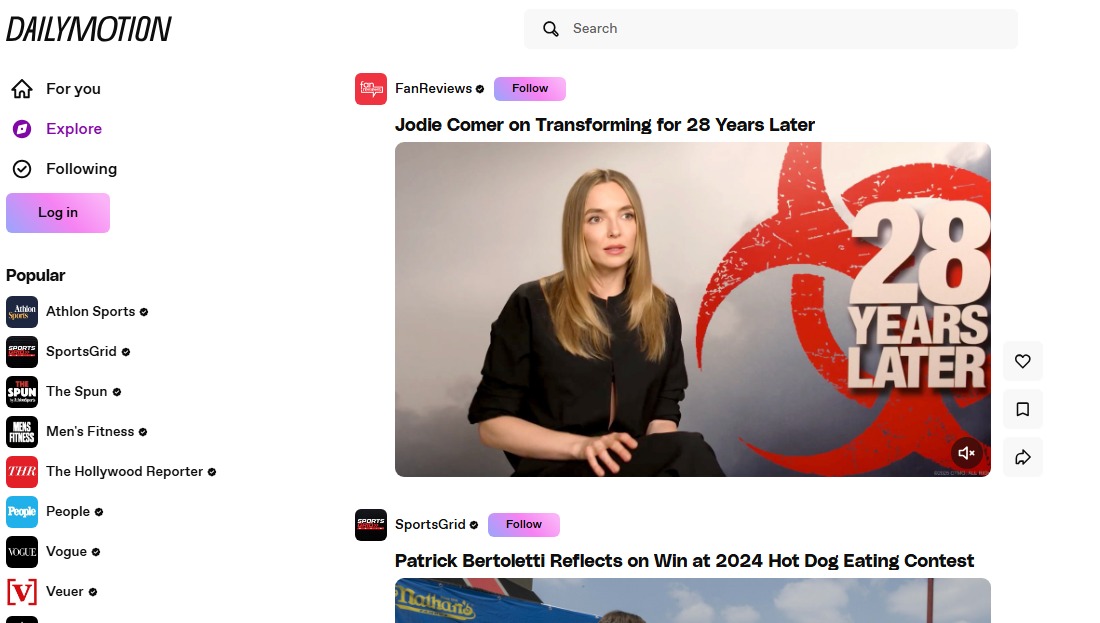
Dailymotion is one of the most well-known YouTube alternatives, especially in Europe. It offers numerous contents including news, music videos, entertainment, and sports. It is smooth and easy to use, and it supports longer videos than other platforms, up to 60 minutes. Dailymotion is not as popular as YouTube, but it has millions of users every month. It also offers creators the chance to monetise through advertisements and collaboration.
Pros:
- Neat, easy-to-use design
- Allows longer videos and monetisation
- Less competition among new creators
Cons:
- Less audience reach than YouTube
- Even an ad-supported model can be irritating
- The content discovery is not as strong
2. Rumble
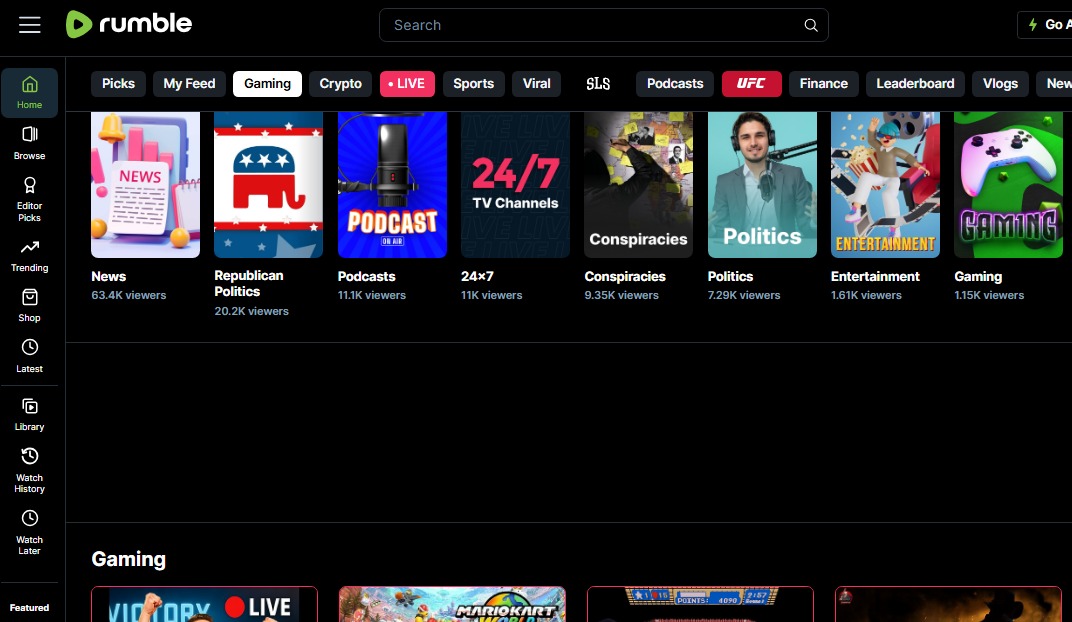
Rumble has gained popularity due to being an alternative platform that promotes free speech and enables creators to have more control over their earnings. It is especially popular with the creators who are restricted on YouTube due to the harsh control policies. Rumble has a good monetisation strategy and can syndicate videos to other sites, which makes them more visible. It is, however, highly biased towards political and opinionated content.
Pros:
- Creator revenue share High
- Less censorship of content
- Increasing audience and visibility tools
Cons:
- Poor content variety
- It has been frequently accused of hosting controversial content
- Still not as refined or feature-complete as YouTube
3. Twitch
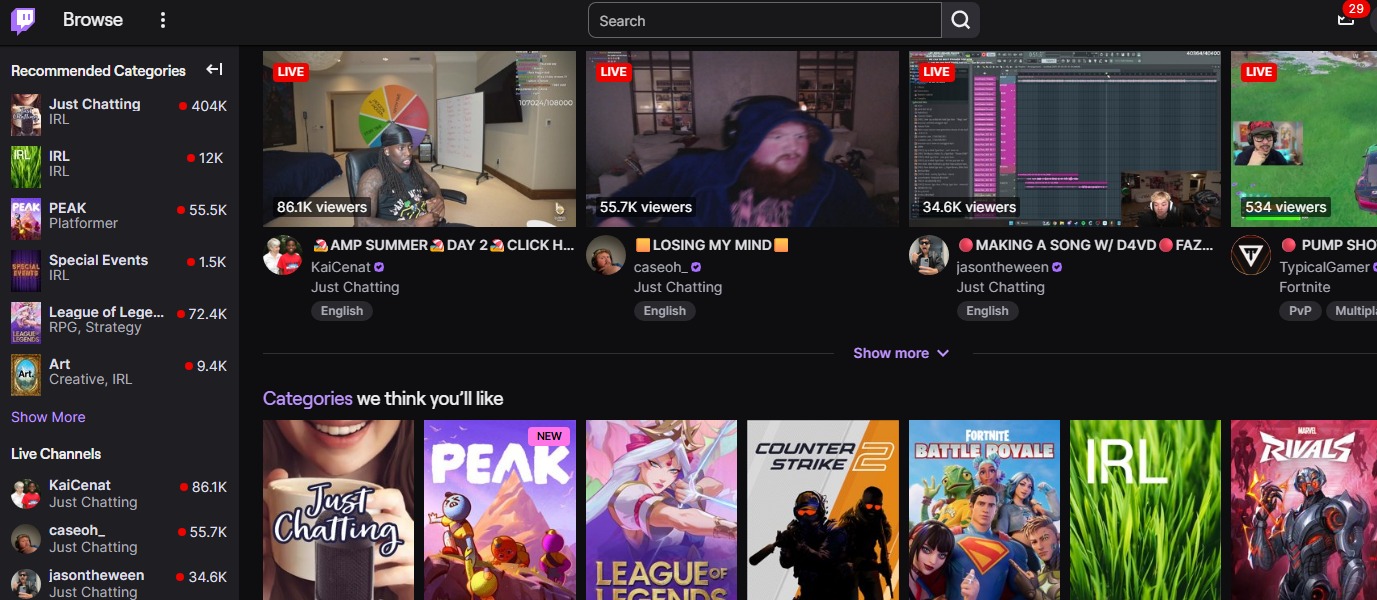
Twitch is the preferred platform in terms of live streaming, especially among gamers. It has also slowly become the preference of music streaming creators, talk shows, art, and Just Chatting sessions. Twitch offers live communication through a chat, and streamers can earn money through subscriptions, donations, and advertisements. It is primarily linked to live content, although there are also on-demand videos.
Pros:
- Good community and interactive aspects
- Streamer monetisation opportunities
- Perfect for gaming and real-time content
Cons:
- Not the best fit with conventional, pre-recorded videos
- Growth is hard due to high competition
- Tough content policies and moderation
4. Vimeo
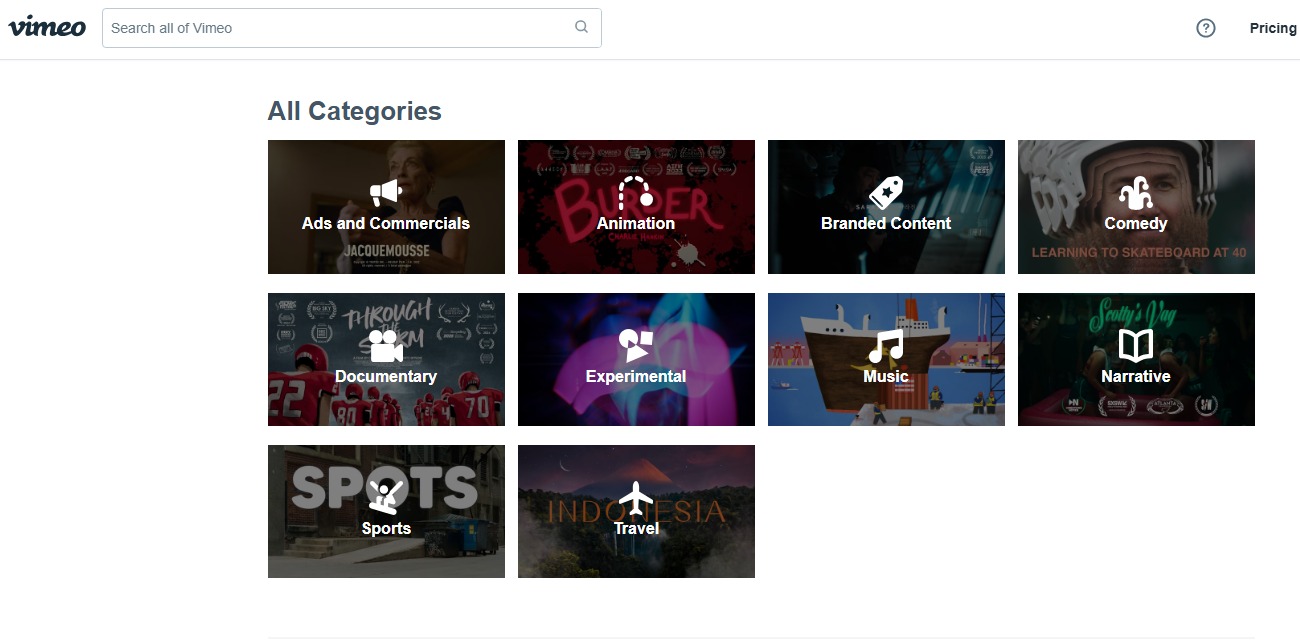
Vimeo is a premium video site that is aimed at professionals and artists. Unlike YouTube, Vimeo does not operate on the principle of advertising. Rather, it provides paid subscriptions that allow the creator to control the privacy of the video, player customisation, and in-depth analytics. It is fantastic to filmmakers, businesses and artists who desire a clean and high-quality platform to host their content. But it is not to be a mass entertainment and recreational vlogging platform.
Pros:
- Good video quality and no advertisements
- Good privacy and personalisation
- Ideal in professional portfolios
Cons:
- Low number of users in comparison to YouTube
- The majority of features are paid subscriptions
- Poor content discovery and community interaction
5. IGTV (Now folded into Instagram Reels)
IGTV was a vertical, mobile-friendly long-form video content developed by Instagram. The old IGTV videos are not removed, even though they are incorporated into Instagram Reels. IGTV did not gain momentum as it was expected, despite users being given an opportunity to post up to 60 minutes of videos. Even in the event that you already have a decent Instagram following, it might still be worth attempting to utilise Reels to share longer videos.
Pros:
- Combined with the huge number of Instagram users
- Easy to navigate and mobile-friendly
- Beneficial to influencers and amateur creators
Cons:
- The standalone IGTV feature is limited
- Vertical-only format may restrict creativity
- Not the best choice in terms of long-term content development
6. Odysee
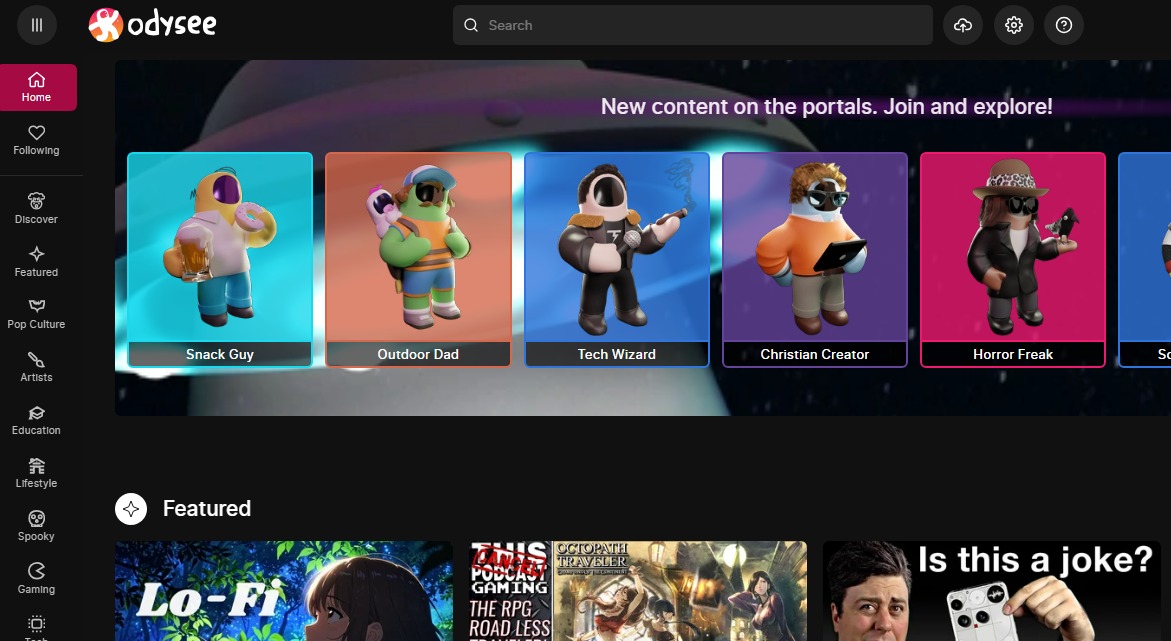
Odysee is a video platform built on LBRY. It is supposed to give creators full control over their content and earnings, and no central authority to ban or demonetise videos. By posting or watching a video, users can earn cryptocurrency.
Pros:
- Rewards both viewers and creators in cryptocurrency
- Easy, commercial-free watching
Cons:
- Fewer audience and poor quality of content
- Not as user-friendly as mainstream platforms
7. DTube
The other platform is DTube, which is also blockchain-based and ad-free. It is generally considered to be a more open-source variant of YouTube, with crypto tokens being given out as rewards. The videos are shared on a decentralised network, thus there is no central authority and censorship. However, conversely, it means that the content moderation is low, and the platform is in its early stages of development.
Pros:
- No advertisements and complete ownership of content
- Creator and viewer rewards system based on crypto
Cons:
- The interface is old-fashioned in comparison to YouTube
- Does not have important functions such as video editing and search filters
- Smaller community and low content variety
8. Playeur
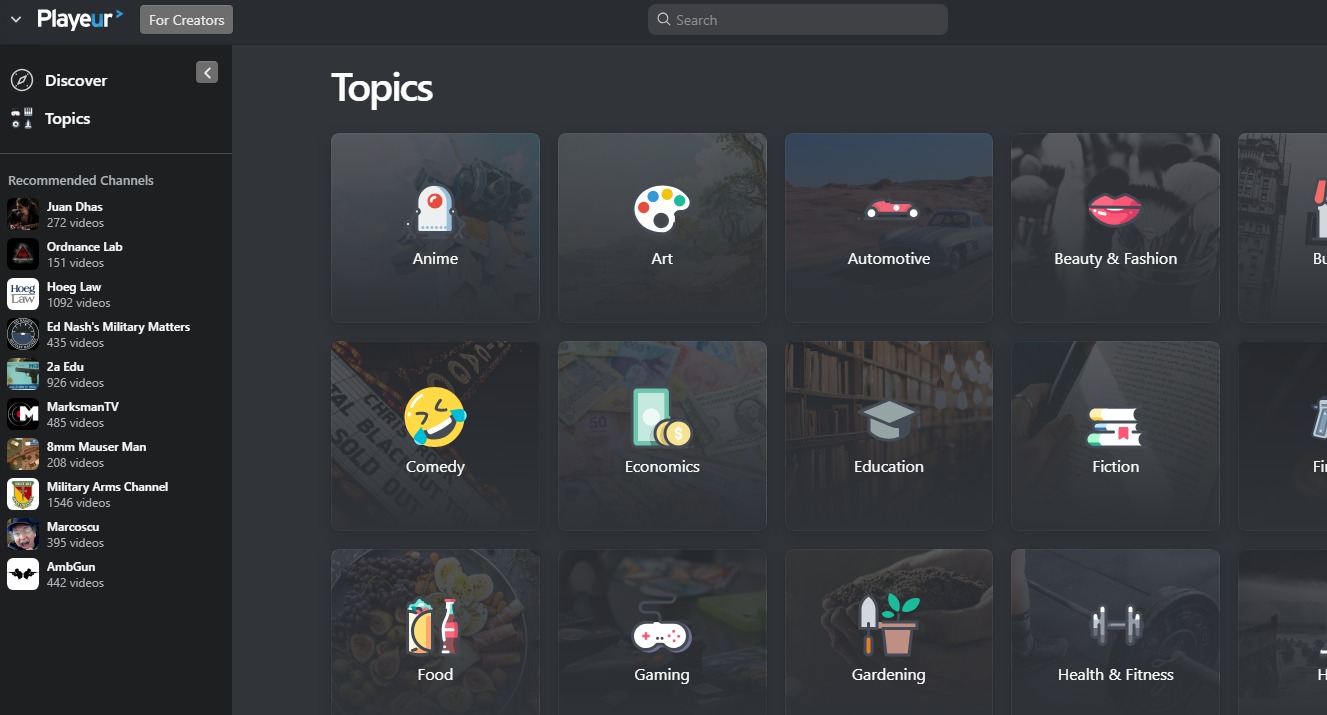
Playeur is a more recent video platform that specialises in creator monetisation, and community creation. It is a hybrid of YouTube and Patreon where fans can subscribe to creators and get rewards in the form of early access, specialised roles, and exclusive chat. It allows hosting videos and live streaming, but the platform is young and not popular.
Pros:
- Subscriptions and community benefits monetisation
- Fan building creator-friendly tools
- Contemporary interface and dynamic development
Cons:
- Complaints of bugs and access problems by certain users
- Less audience and discoverability
Part 3: Usage Tips for YouTube and Websites Like YouTube
Even with the best video platforms, there are a few tricks that can help you get the most out of your viewing experience. Blocked content, slow connections, or just watching videos offline, the right tools can be of great assistance. These are two handy tips to make it more convenient and flexible to watch:
1. Access Blocked Platforms
At some point, you will notice that some of your videos or the video platform is not available in your country due to many reasons, like the content is blocked or the government has blocked it. Streaming, under some other circumstances, gets slowed down by Internet providers. The answer is to employ proxy services and a VPN (Virtual Private Network). Such programs will allow you to change your virtual address and prevent throttling, so you can watch your favourite content without any limitations. All you have to do is to select a reliable, safe VPN service.
2. Offline Viewing Solution
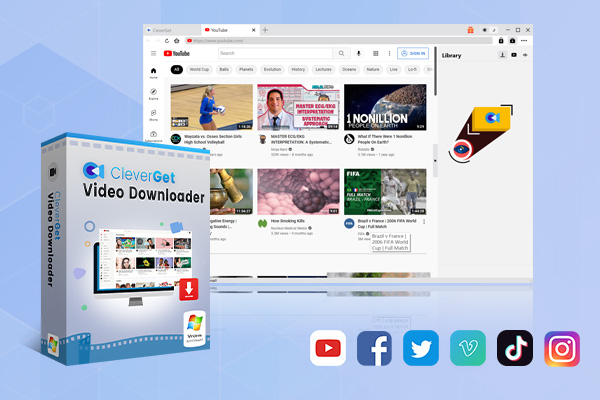
A good video downloader can be a lifesaver in times when you want to watch videos offline. Well, there are various programs created for that purpose, one of them is CleverGet Video Downloader. You can also download videos in high resolution from over 1,000 sites, including YouTube, TikTok, Instagram, etc. CleverGet is an excellent video downloader to download a single video, a playlist, a channel, and live streams without any issues. Therefore, try it today and watch offline without any restrictions or limitations.
-
– Enable users to download online videos, movies, TV shows, live streams, etc. from 1000+ websites.
– Detect M3U8 links intelligently with an inherent browser to download videos.
– Download up to 8K video and audio at 320 kbps without quality loss.
– Support to download TV series episodes of all/certain seasons in batches.
– Download online video to MP4/MKV/WEBM or other available popular formats.
Final Thoughts
Although YouTube remains the largest video-sharing brand, it is not the only game in town and not always the best solution to every problem. You might want to be more in control as a creator, or maybe you want less advertising and more variety as a viewer, so there are numerous platforms to choose from. Be it a decentralised site that promotes free speech or a professional-level polished service, or an interactive live-streaming centre, all these platforms have their benefits.
It is not a bad idea to experiment with some of them and discover which one suits you. You can also discover exclusive communities or creators that you will never see on YouTube. After all, preferences are a thing when it comes to the most suitable platform to use as a viewer or a creator or both. And when you need to take offline watching into consideration, do not overlook such solutions as CleverGet Video Downloader. It allows you to download your favourite YouTube and other videos easily and watch them anytime, even when you are not online. The online video world is larger than you can imagine. Go and explore.
-
How to Record Any Streaming Video on Mac Safely?Cassie/2026-03-30
-
How to Record Discord Audio on Windows, Mac & MobileCassie/2026-02-27
-
Instagram Viewer Guide: How to View Instagram AnonymouslyCassie/2026-01-30
-
Why Does YouTube Keep Pausing? Causes and Easy FixesCassie/2025-12-26
-
How to Record Facebook Live Stream for Free on PC?Cassie/2025-11-27
-
3 Best Methods to Play Blu-ray on VLCCassie/2025-10-30
-
3 Best Tools to Convert M3U8 to MP4 Without ErrorsCassie/2025-09-26
-
5 Best Methods to Open an ISO File EasilyCassie/2025-08-28
-
Discover 8 Video Platforms Like YouTube NowCassie/2025-08-13
-
Anonymous Mode: How to View Twitter Without an Account?Cassie/2025-05-26
-

4 Ways to Download Movies from FMoviesLeia/2024-05-30
-

Top 5 Disappointments of iOS 6 Apple Users GetTony/2012-09-27
-
Is Watchseries Safe to Use? What Are the Best Watchseries AlternativesPatrick/2024-11-01
-
6 Best URL to MP4 Converters to Download URL to MP4August/2023-09-11
-
23 iPhone 5 Rumors Listed from A to WTony/2012-09-13
-
2 Methods to Convert Flash EXE to Flash SWFTony/2012-08-28
-
Top 10 CouchTuner Alternatives for Free Movies & Shows 2026Max Will/2025-04-29
-
10 Best Project Free TV Alternatives to Watch Movies/Shows OnlineMax Will/2025-04-29
-

Top 8 Free YouTube Proxy Sites for YouTube Unblocked 2024Lumi/2024-09-24
-
How to Free Download iBOMMA Telugu Movies in HDMax Will/2025-04-29